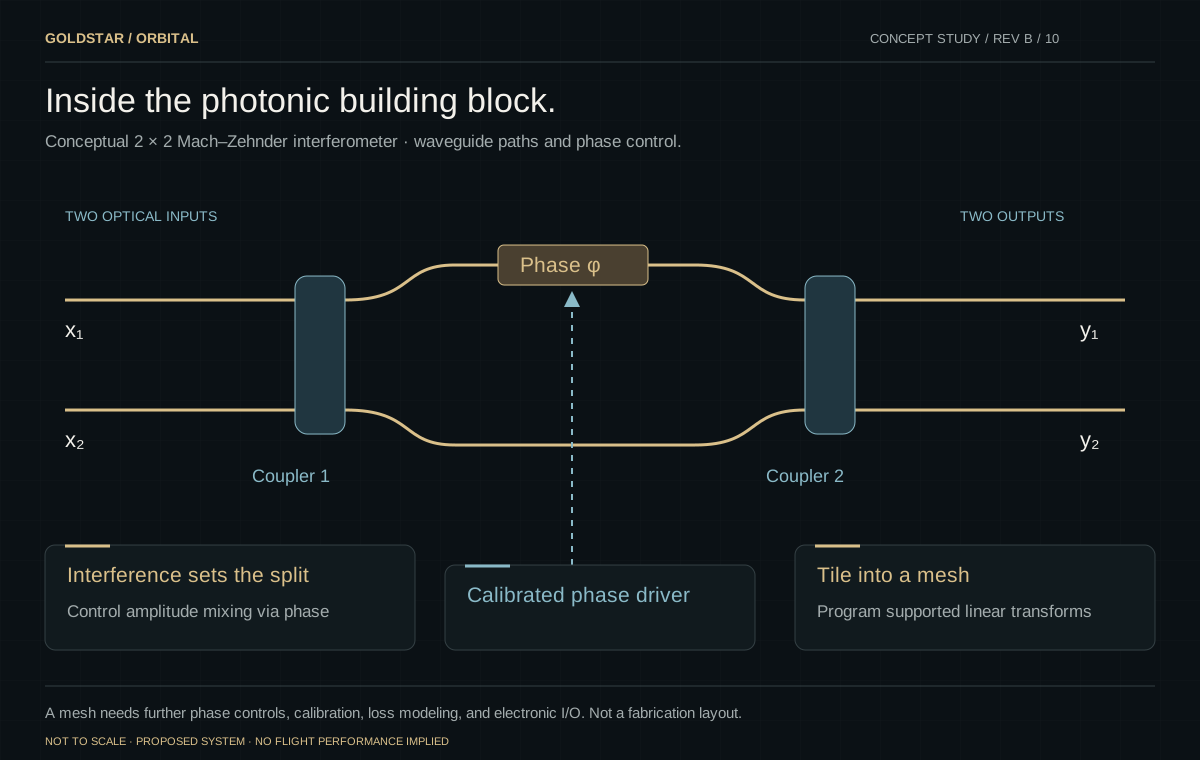
COMPUTE / REVISEDA hybrid accelerator.
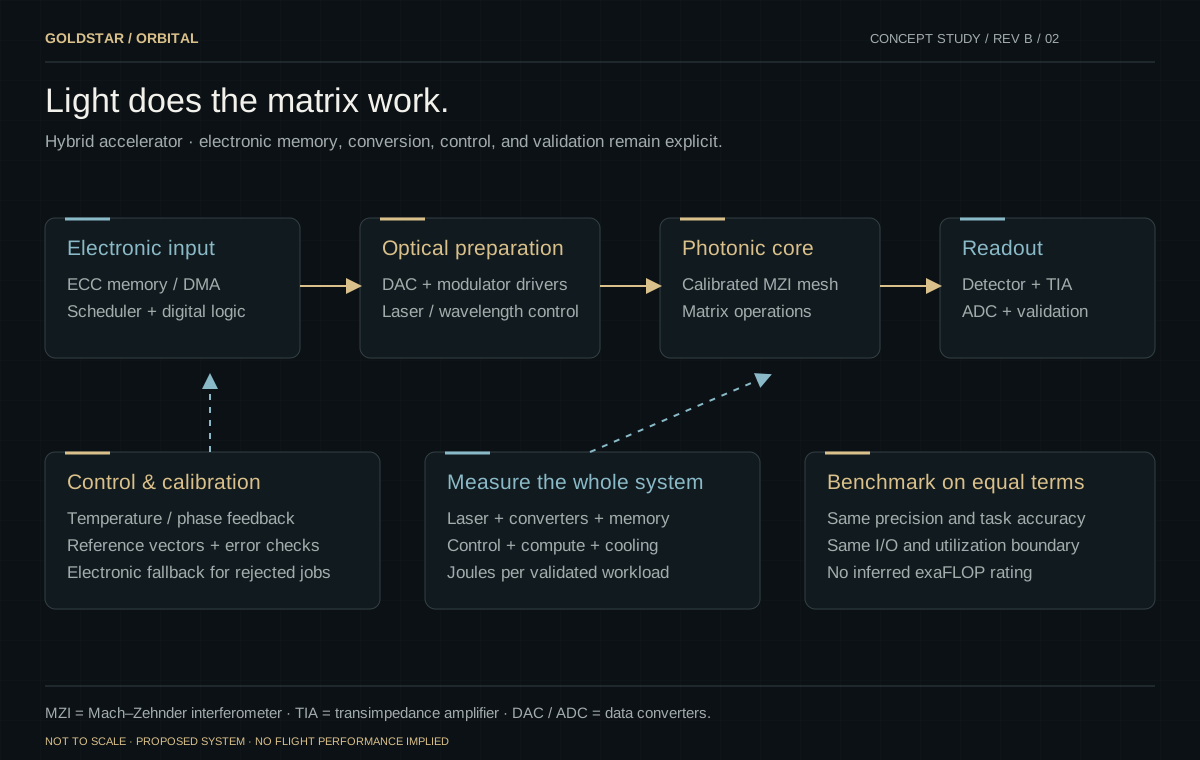
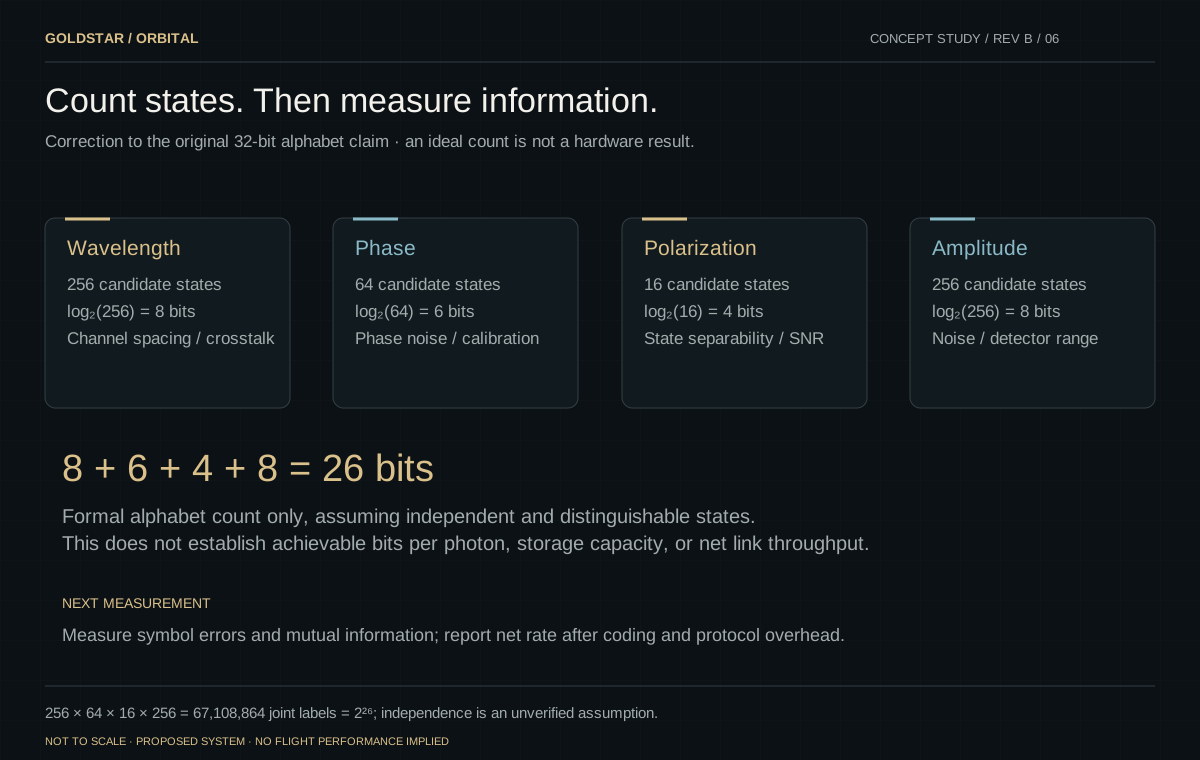
The photonic core handles selected matrix operations. Electronic memory, scheduling, conversion, readout, and calibration remain visible. Replace the blanket 20,000× efficiency and exaFLOP claims with a measured comparison at equal precision, accuracy, and workload.
Research context ↗
THERMAL / CORRECTEDVacuum still needs a radiator.
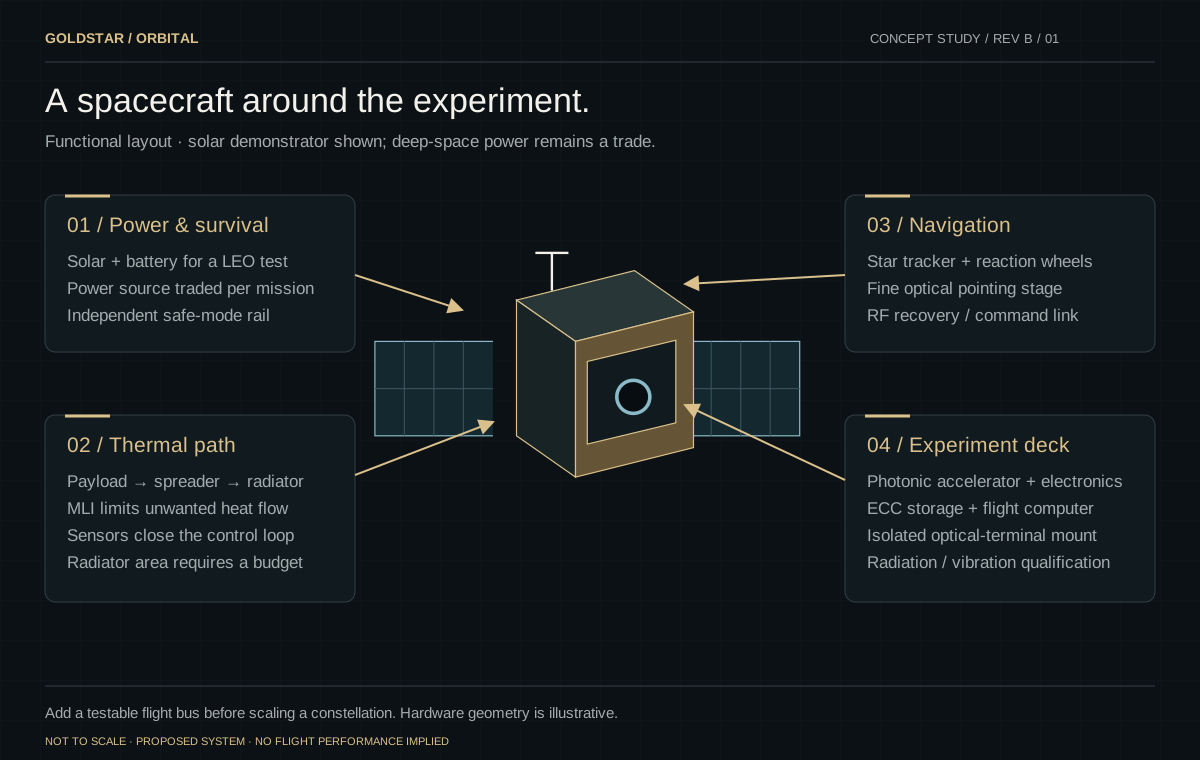
Vacuum removes convection. It does not eliminate losses or stabilize the chip to millikelvin precision. Add conductive heat paths, a radiator, sensors, and phase feedback; qualify performance through orbital hot/cold cases.
NASA thermal guidance ↗
STORAGE / REVISEDPersist data in a proven form.
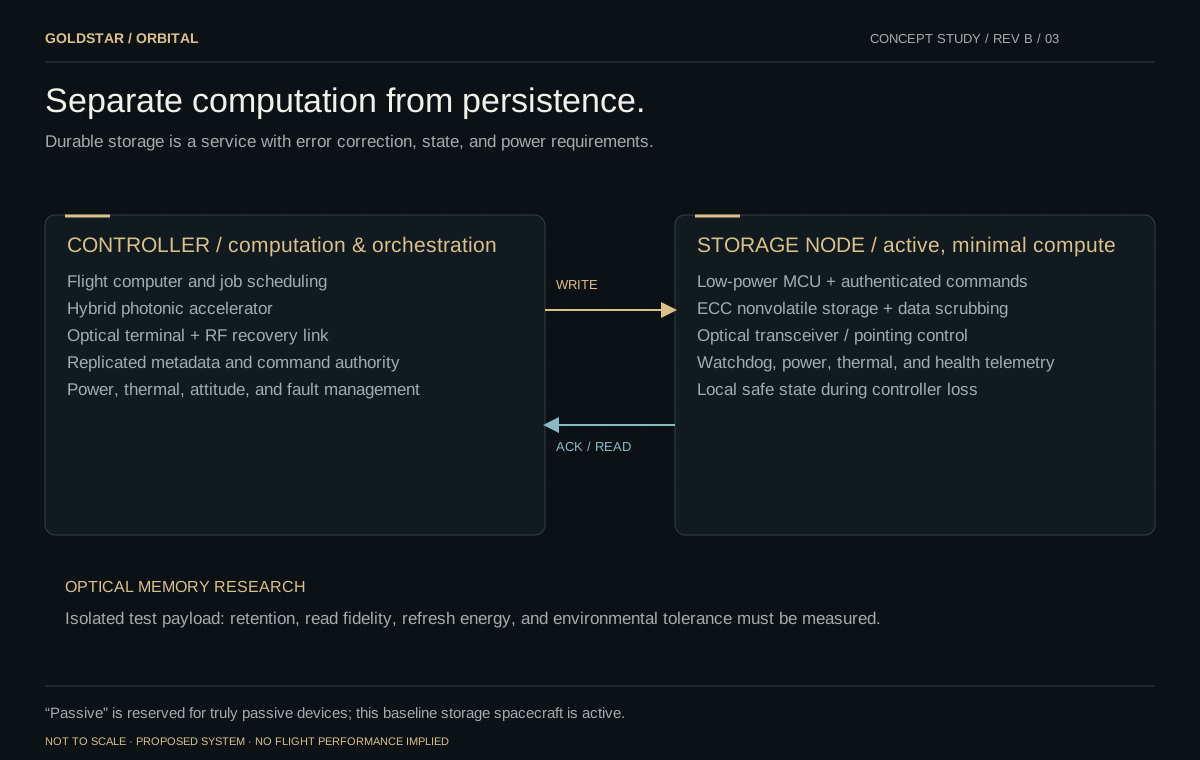
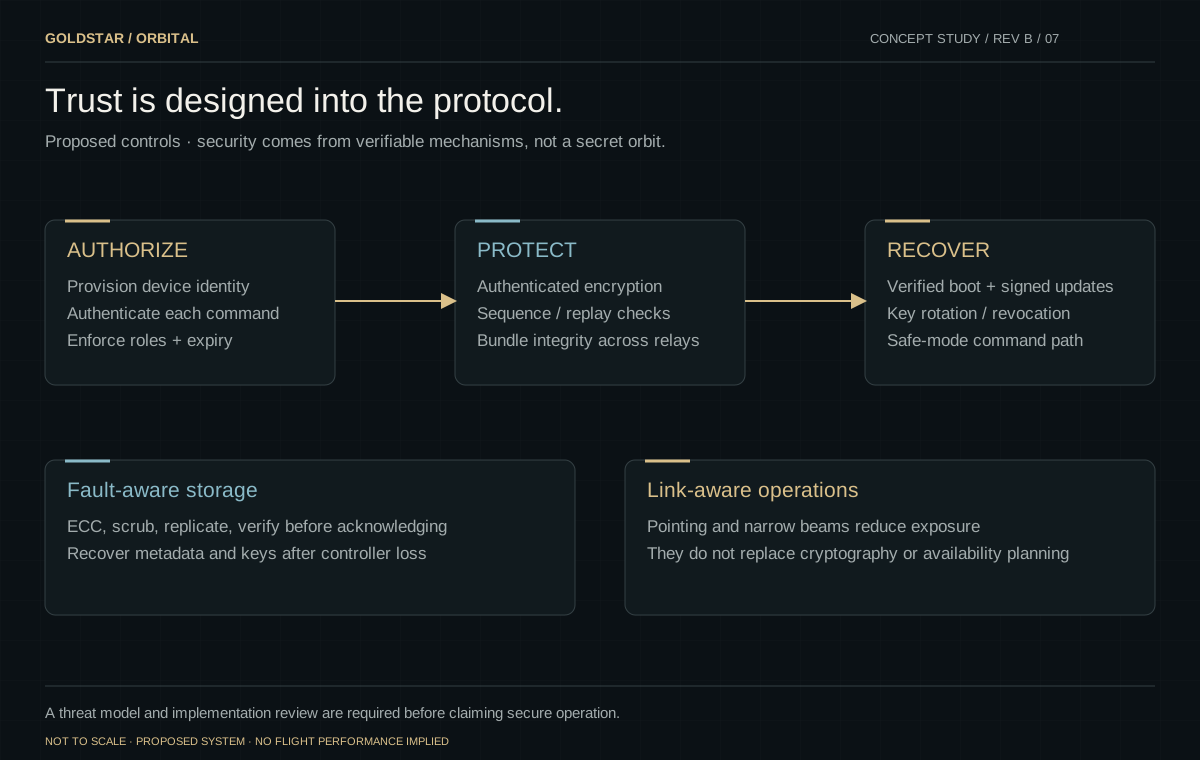
Use ECC nonvolatile storage as the baseline and test optical memory separately. The former “passive” node also needs command authentication, health monitoring, and pointing control. Months-to-years quantum retention is not established by the cited laboratory storage work.
Optical-memory evidence ↗
POWER / OPEN TRADESize the source to the mission.
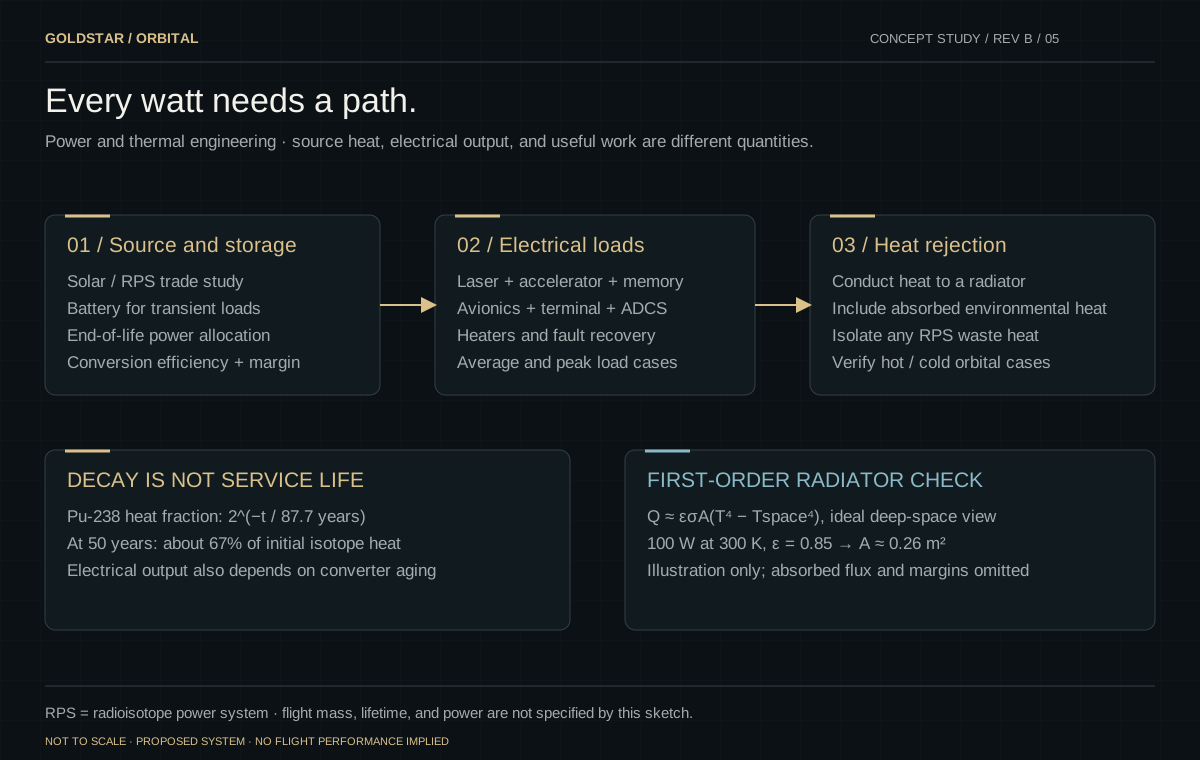
Start with solar and battery power for an Earth-orbit demonstrator. Trade a radioisotope source for later missions against mass, heat, availability, and end-of-life power. Pu-238 decay alone cannot certify a 50–100 year service life.
NASA reference system ↗ · Decay context ↗
COMMUNICATIONS / REVISEDDesign for contact windows.
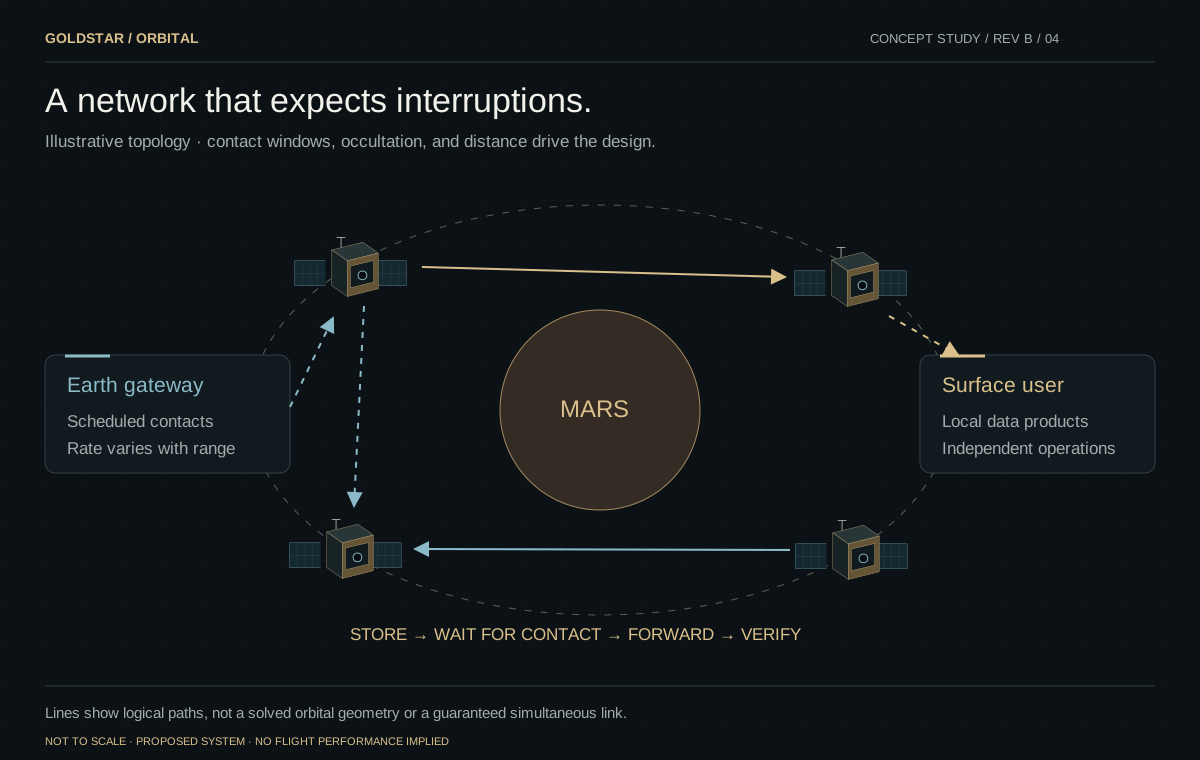
Separate local optical links from the Earth–Mars link budget. Include aperture, range, pointing jitter, receiver sensitivity, and coding. Buffer traffic between contacts and provide an independent recovery link; no universal 100 Gbps rate is assumed.
DSOC benchmark ↗ · DTN architecture ↗
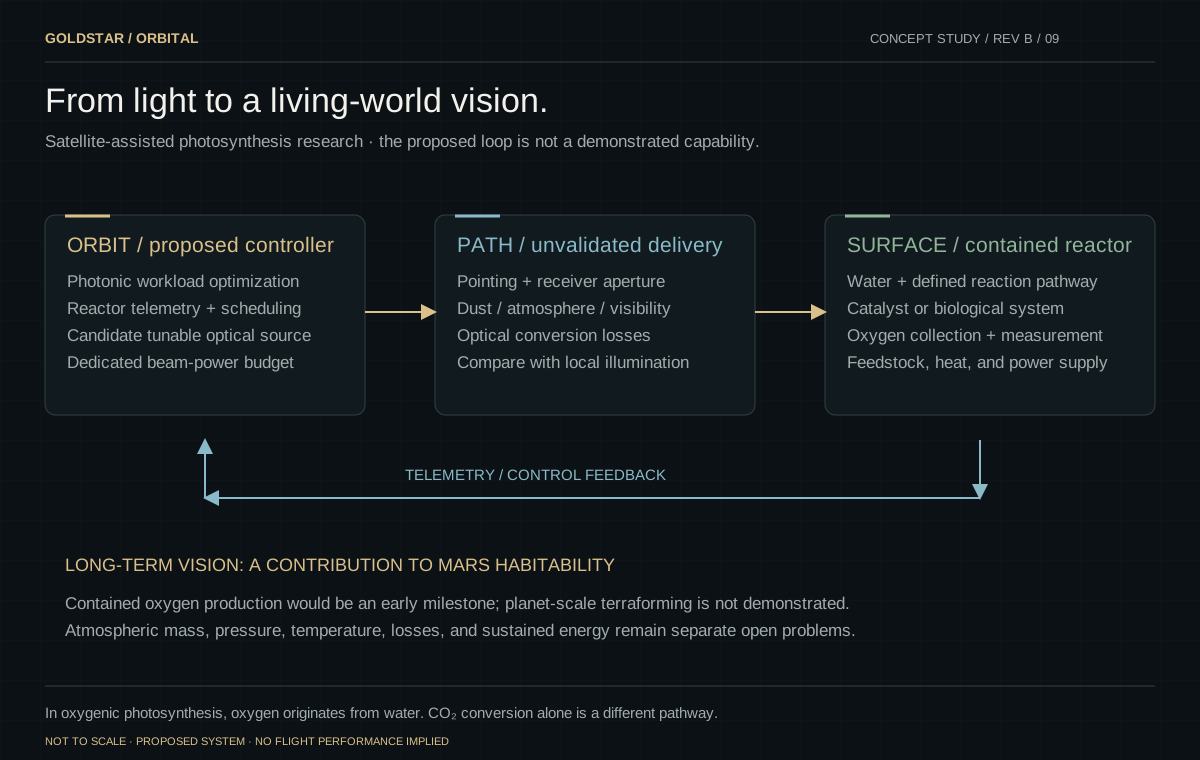
OXYGEN / RESEARCH ONLYA separate experiment.
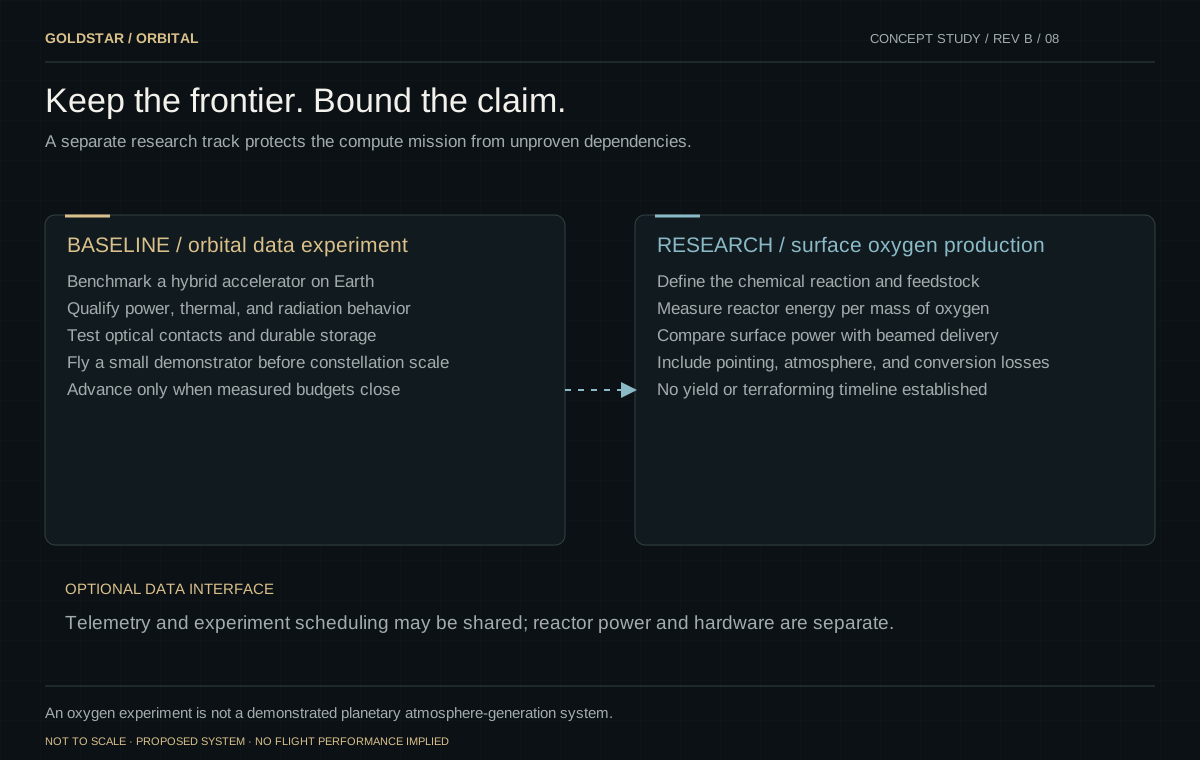
Keep surface chemistry as an optional research program with its own reactor, feedstock, energy, and optical-delivery budgets. Remove kg/day and terraforming schedules inferred from node counts. MOXIE offers a measured reference for oxygen production, not proof of this concept.
NASA experiment ↗